
Optimal Timing for Demolition Services
Determining the optimal timing for demolition services depends on various factors including weather conditions, project scope, and local regulations. Typically, favorable weather with minimal rain and moderate temperatures ensures safety and efficiency. Planning during dry seasons can reduce delays caused by weather disruptions.
Demolition is best scheduled during periods with stable weather to prevent work delays and safety issues.
Aligning demolition timing with project timelines helps ensure smooth transitions to subsequent construction phases.
Local permits and regulations may influence the timing of demolition activities, requiring coordination with authorities.
Spring and fall often offer ideal conditions, avoiding extreme heat or cold that can impact equipment and worker safety.
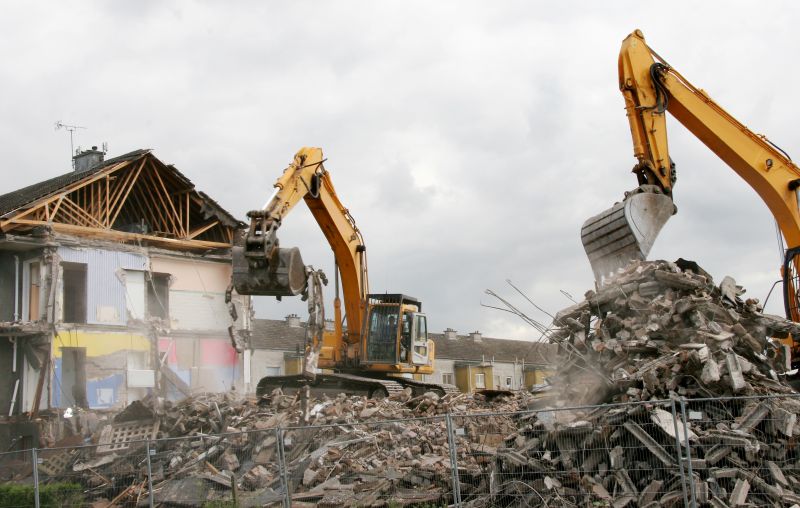
Heavy machinery performing a controlled demolition.

Preparation work before demolition begins.

Workers wearing protective gear during demolition.

Post-demolition site cleanup.

Ways to make Demolition Service work in tight or awkward layouts.
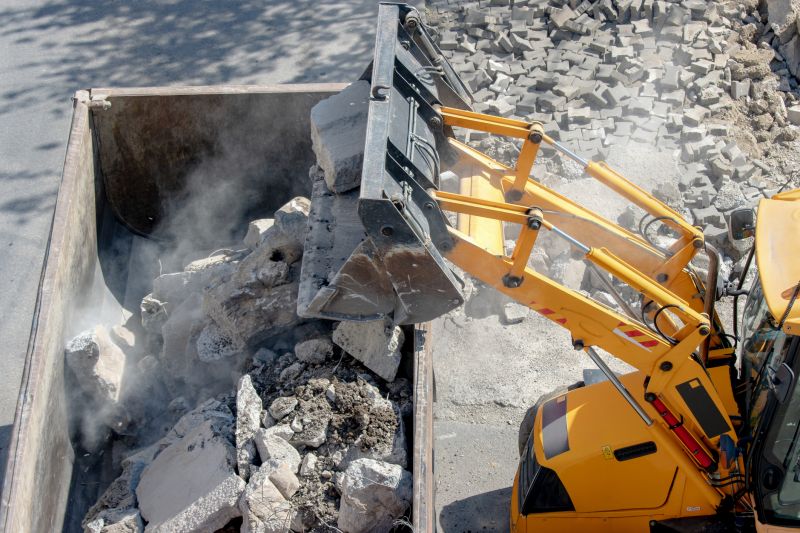
Popular materials for Demolition Service and why they hold up over time.
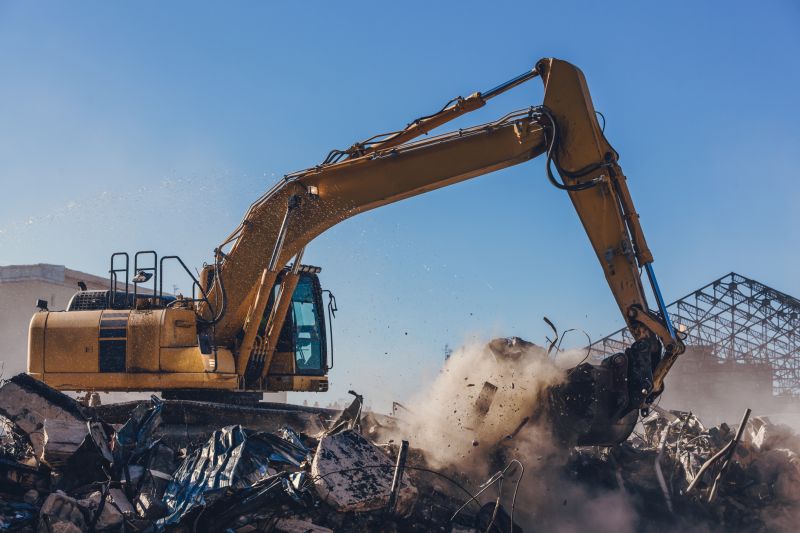
Simple add-ons that improve Demolition Service without blowing the budget.
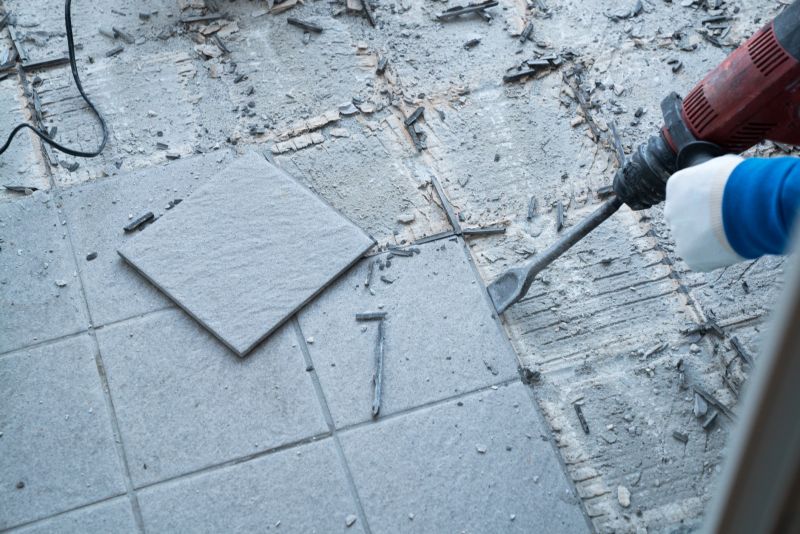
High-end options that actually feel worth it for Demolition Service.
Demolition services involve the systematic dismantling of structures, often utilizing specialized machinery and techniques to ensure safety and efficiency. The process includes planning, permitting, site preparation, and debris removal. Proper timing can reduce costs, minimize environmental impact, and align with construction schedules. Demolition statistics indicate that timely execution can decrease project delays by up to 20%, emphasizing the importance of strategic scheduling.
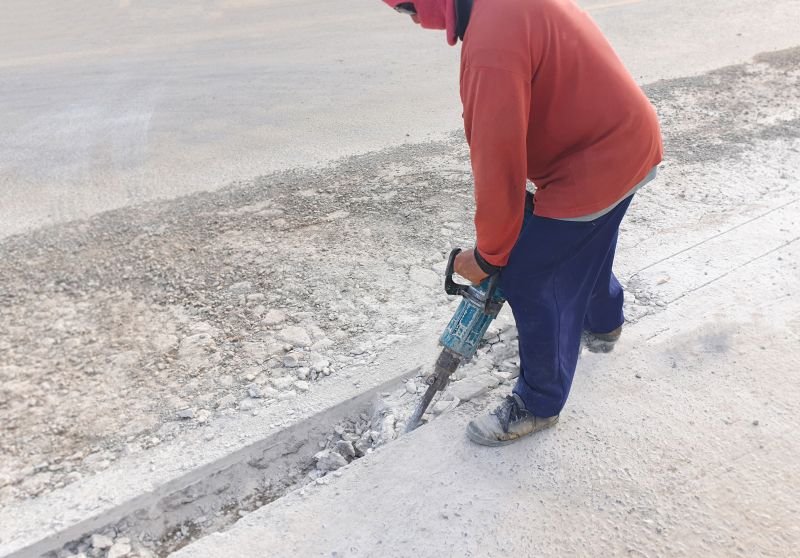
Explosive demolition in progress.
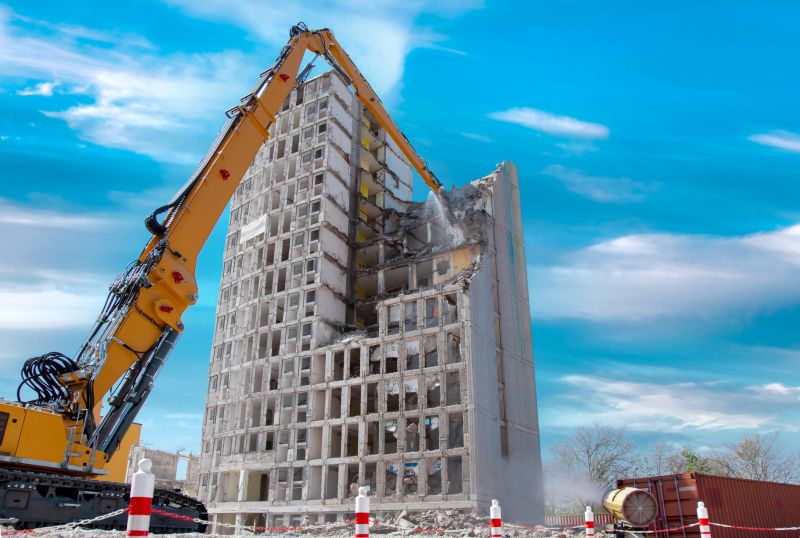
Manual dismantling of a building.
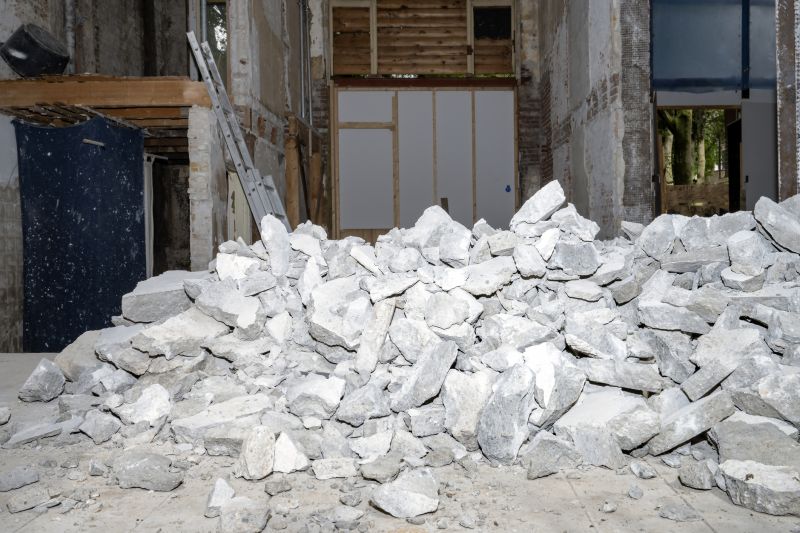
Efficient debris collection after demolition.
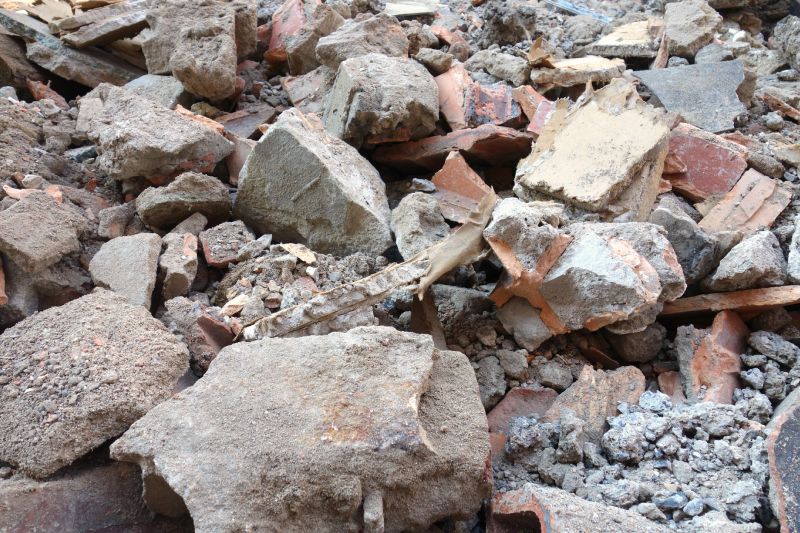
Recycling demolition debris for reuse.
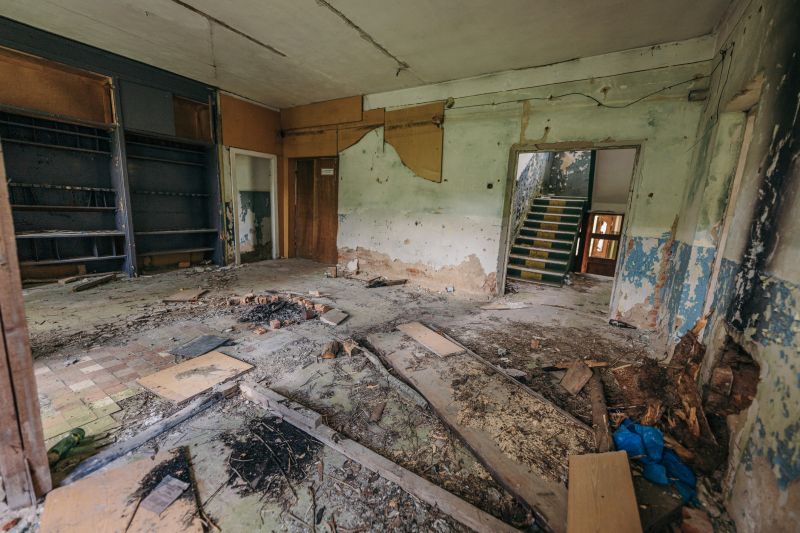
Finishes and colors that play nicely with Demolition Service.

Little measurements that prevent headaches on Demolition Service day.

A 60-second routine that keeps Demolition Service looking new.
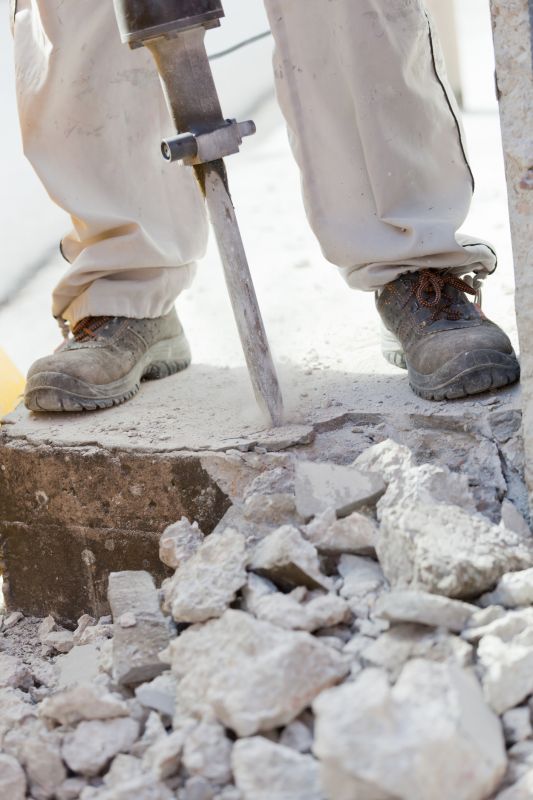
A frequent mistake in Demolition Service and how to dodge it.
| Factor | Impact on Demolition Timing |
|---|---|
| Weather Conditions | Unfavorable weather can cause delays and safety hazards. |
| Project Deadlines | Aligning demolition with project timelines ensures efficiency. |
| Permitting Process | Obtaining permits may influence scheduling. |
| Community Restrictions | Noise and work hours restrictions affect timing. |
| Seasonal Climate | Spring and fall offer optimal conditions. |
| Equipment Availability | Scheduling depends on machinery and crew availability. |
| Environmental Regulations | Compliance requirements can impact timing. |
| Site Accessibility | Ease of access influences scheduling and safety. |
Choosing the right time for demolition services in Duluth, MN, involves considering seasonal weather patterns, local regulations, and project requirements. Proper planning ensures safety, reduces costs, and aligns with subsequent construction phases. Consulting with experienced demolition professionals can help determine the most suitable schedule based on specific project details.
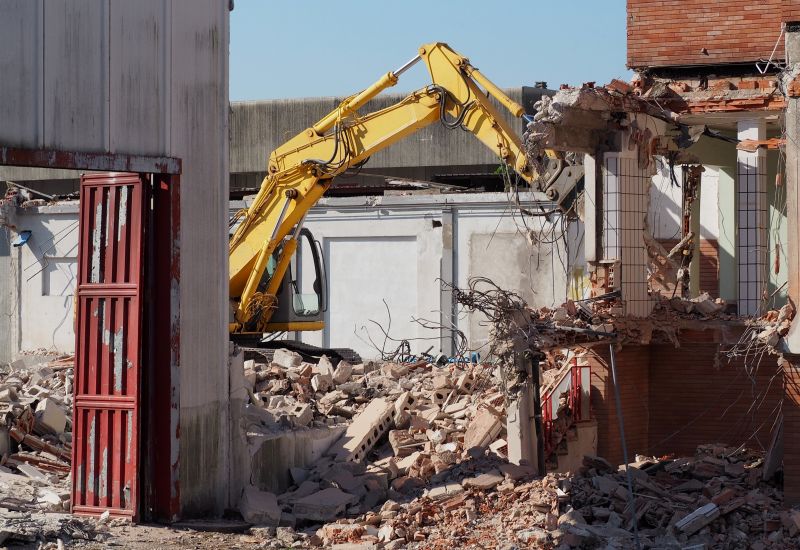
Initial site setup before demolition begins.

Heavy equipment performing demolition tasks.

Small tweaks to make Demolition Service safer and easier to use.
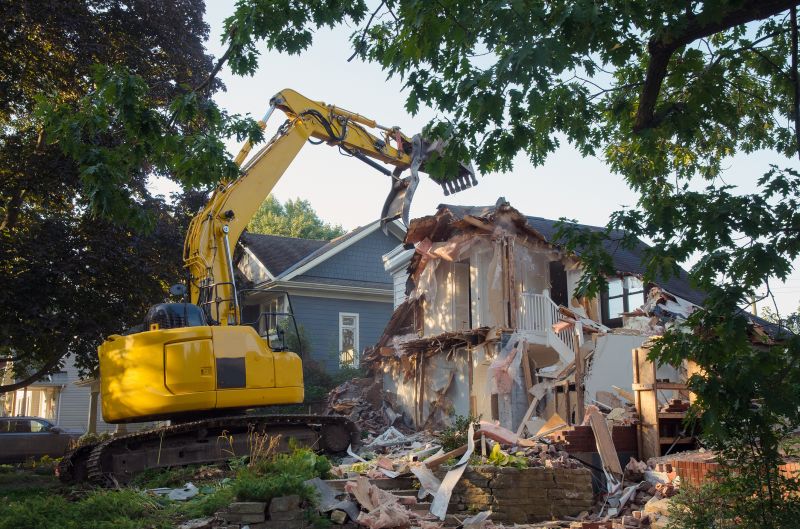
Lower-waste or water-saving choices for Demolition Service.
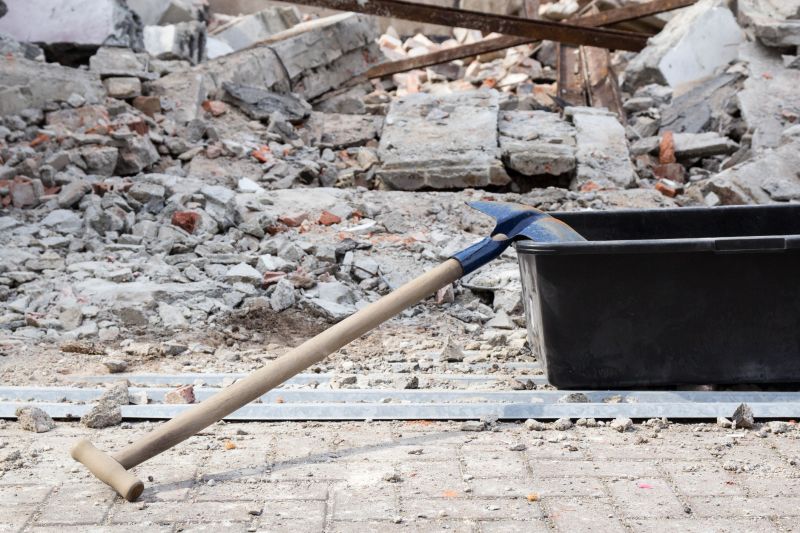
The short, realistic tool list for quality Demolition Service.
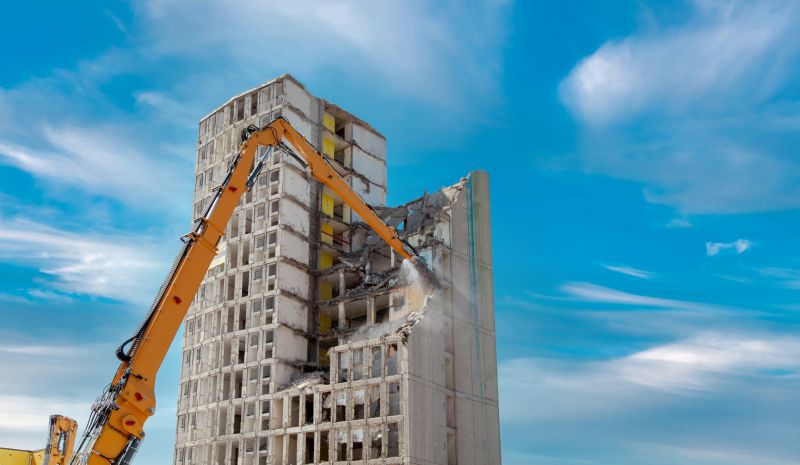
Rough timing from prep to clean-up for Demolition Service.
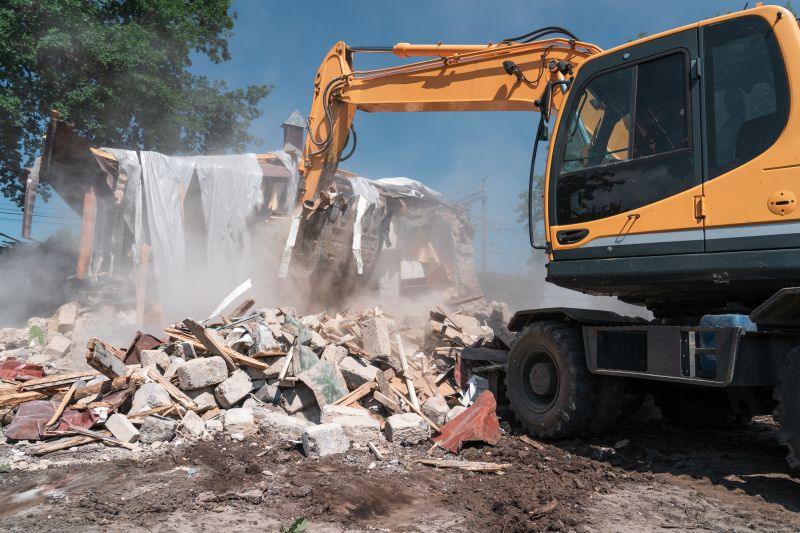
Quick checks and paperwork to keep after Demolition Service.
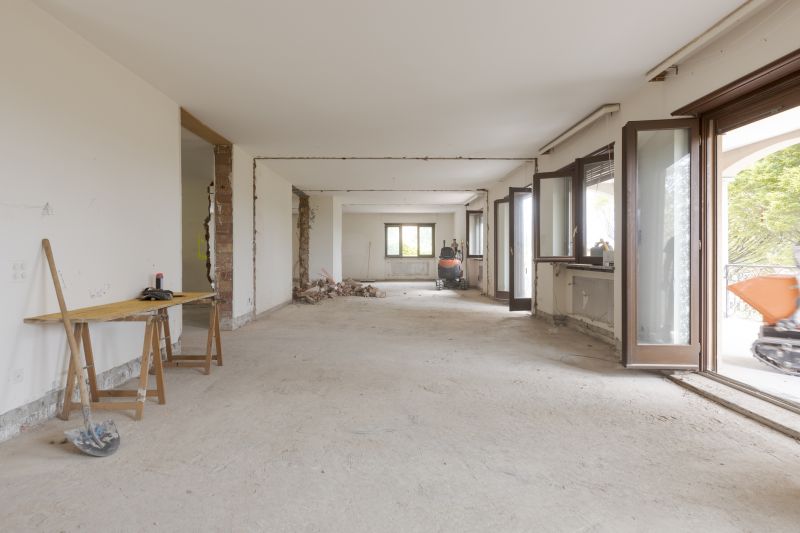
Examples that show the impact a good Demolition Service can make.
Interested in scheduling demolition services? Filling out the contact form provides an opportunity to discuss project timelines, site conditions, and specific requirements. Professional guidance can help optimize timing to ensure safety and efficiency throughout the demolition process.